Poland on High Alert as Drones Threaten Border
#poland #drone_threat #national_security
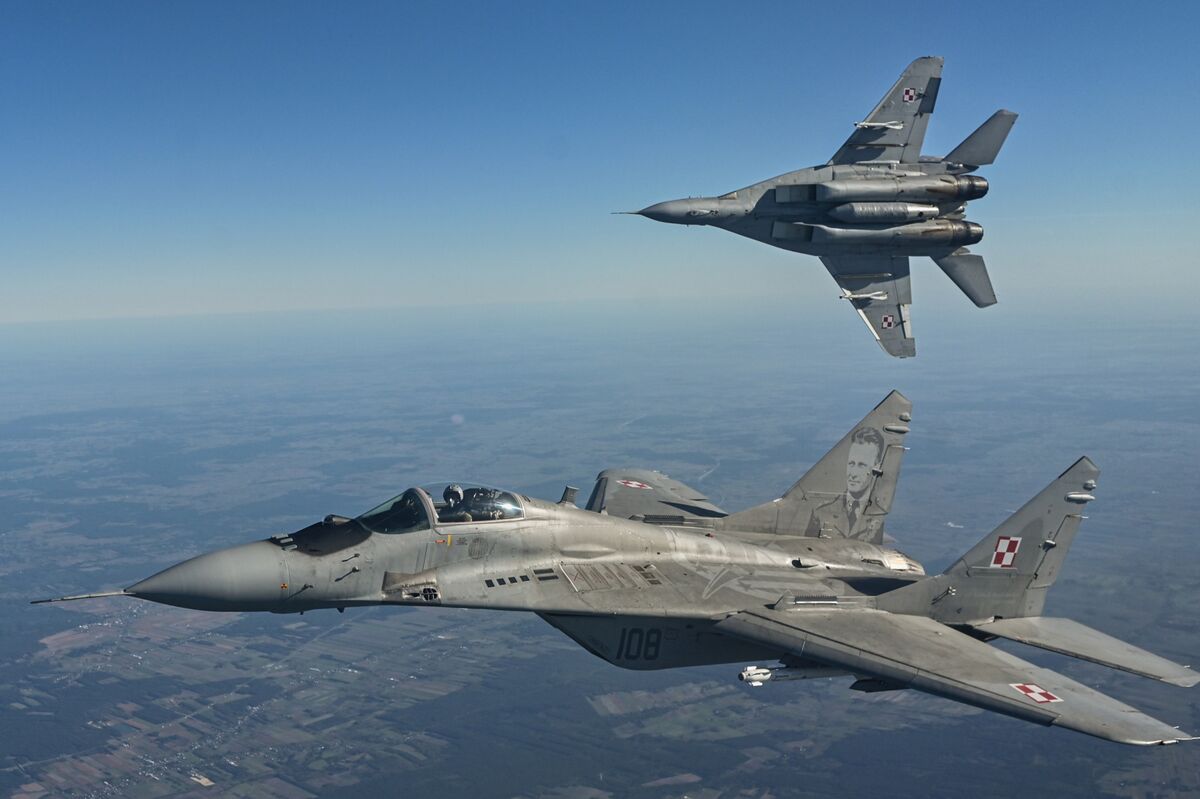
Poland scrambles jets and shuts down Lublin airport in response to a drone threat near its neighbor's airspace.
The term **Operational Command** (often abbreviated as OPCOM or OPCON) primarily refers to a military command authority that entails the full authority a commander has to assign missions, task forces, and control units to accomplish specific operations. It is a key command relationship within the U.S. military structure, enabling effective organizing, employing, and directing subordinate forces to achieve mission objectives[1][5]. Operational command is differentiated from other command authorities such as tactical command or administrative control by its scope, which is focused on mission accomplishment through force employment and coordination. The concept of Operational Command is embedded within the broader framework of **Unified Combatant Commands** in the U.S. Department of Defense. These commands are organized either geographically or functionally to provide command and control over military forces. There are 11 such commands, including geographic ones like U.S. Central Command (CENTCOM), and functional ones such as U.S. Special Operations Command (USSOCOM) and U.S. Cyber Command, which exercise operational command over assigned forces for specific missions globally[3][4][6]. Historically, the need for clear operational command relationships arose from lessons learned in complex military operations requiring joint forces coordination, such as the failure of the 1980 Operation Eagle Claw, which exposed command and control weaknesses. Since then, the U.S. military has refined these relationships to ensure unity of effort and effective mission execution[2]. Operational Command is notable for its flexibility: commanders exercising OPCOM have the authority to organize forces and direct operations necessary to complete missions but do not have the full administrative control over personnel and logistics that higher command levels hold. This ensures focused control on operational objectives while maintaining overall organizational support structures[1][5]. In business and technology news contexts, **Operational Command** represents a critical leadership and organizational principle that underpins how complex multi-component systems—whether military units or technology operations—coordinate resources and execute strategies efficiently. Its evolution reflects the increasing complexity of join
#poland #drone_threat #national_security
Poland scrambles jets and shuts down Lublin airport in response to a drone threat near its neighbor's airspace.